
Skin Checks


Assessment of Skin Changes
Assessment of new or changing spots can help identify concerns that need further investigation.
Discuss Your Concerns
Discuss your skin concerns and the next steps appropriate to your assessment.
Protect Your Skin
Ask about sun protection and whether follow-up skin checks are appropriate for your risk factors.
Skin Checks and Your Risk Factors
Skin checks assess spots or changes that may need further investigation. The need for checks and their frequency depend on your history, symptoms and risk factors.
If you notice a new or changing spot, arrange an assessment with a doctor. Discuss your sun exposure, past skin cancers and family history when considering follow-up.
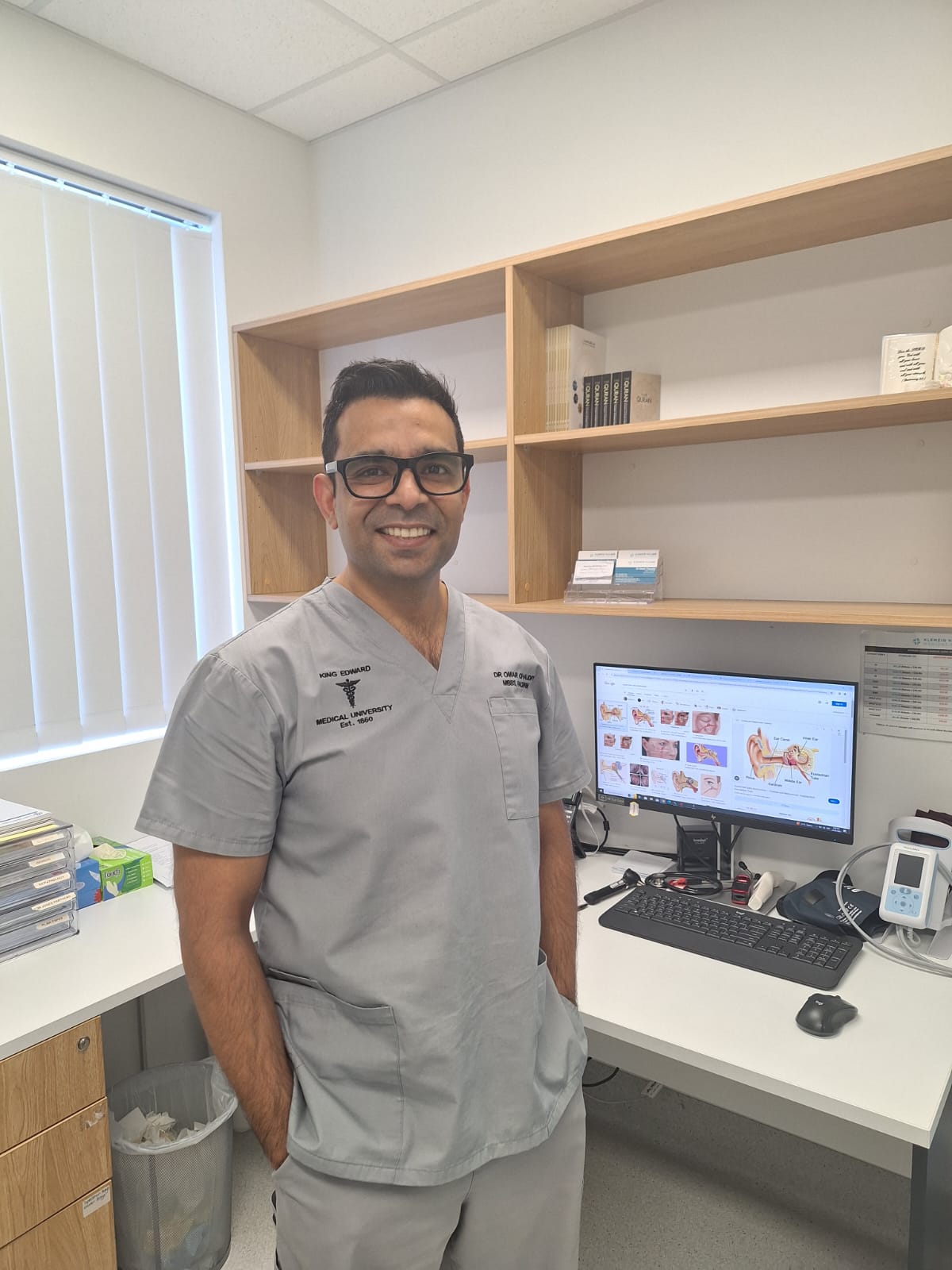
Dr. Chaudry provides skin assessments and consultations for concerns including moles, skin tags and ingrown toenails. Further tests or referral may be needed depending on the findings.
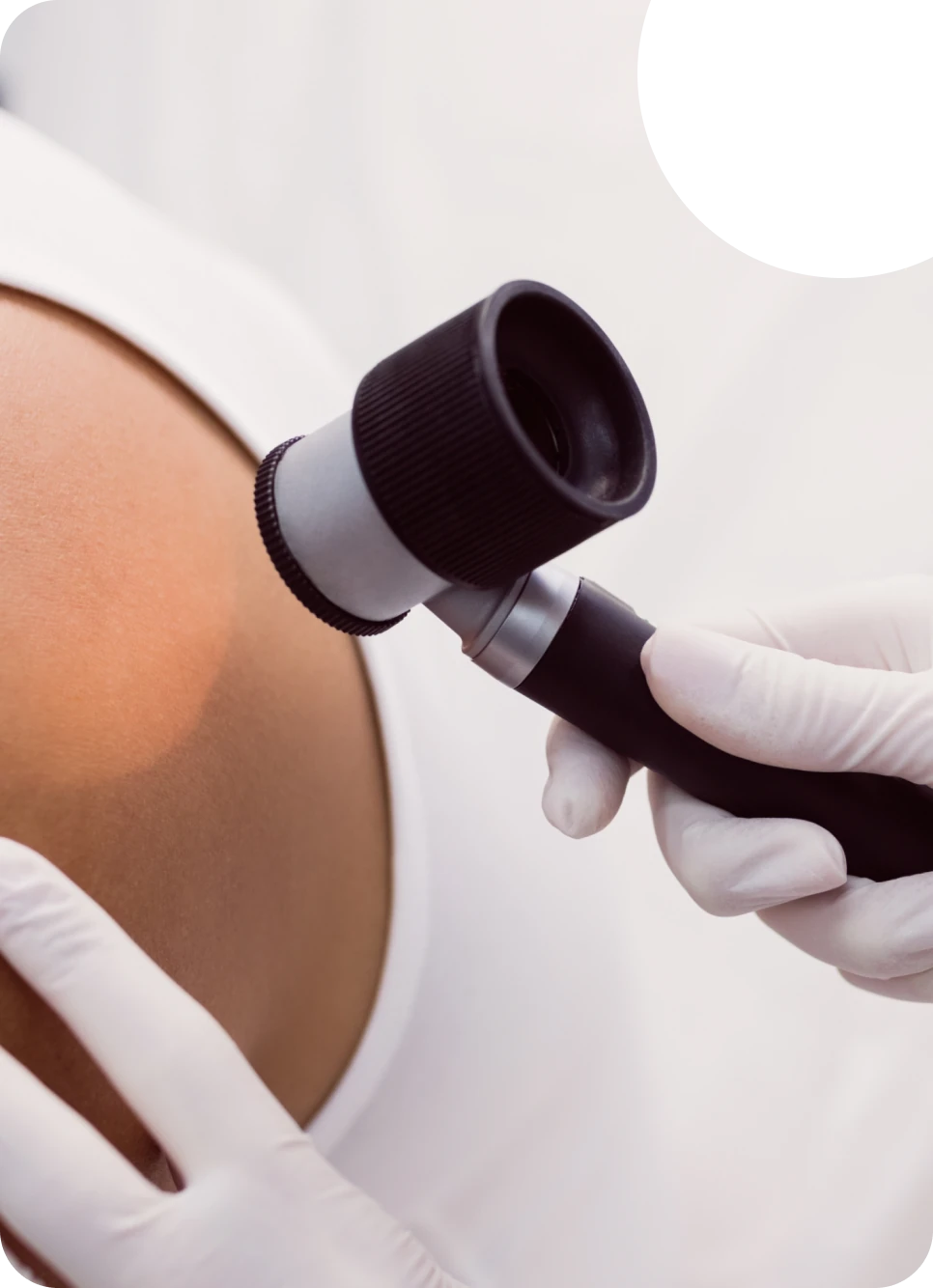

What a Skin Check Can Cover
These descriptions are general information. Not every option is appropriate for every person or available at this clinic. Some care requires referral; discuss suitability and availability with your doctor.
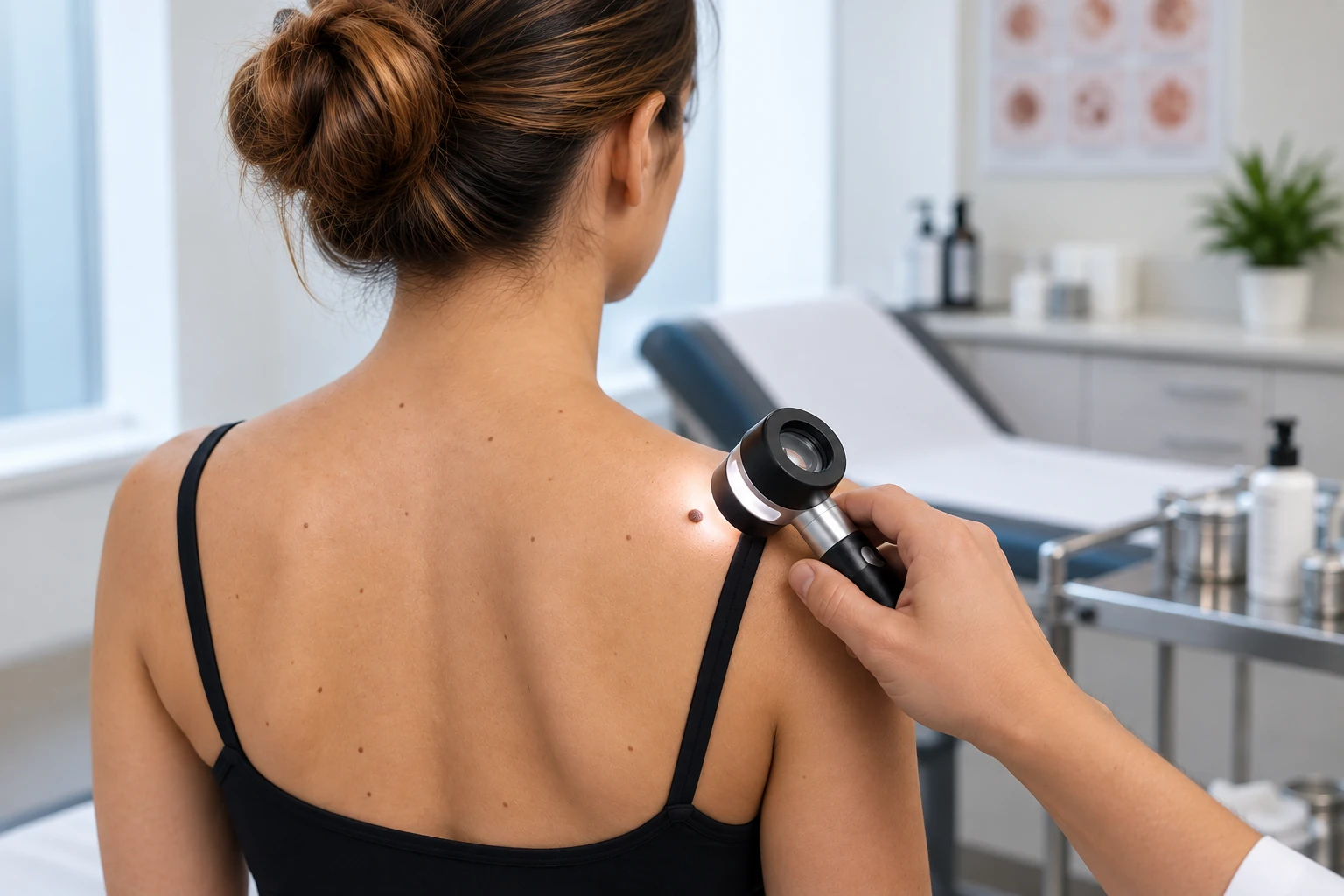
Your Appointment
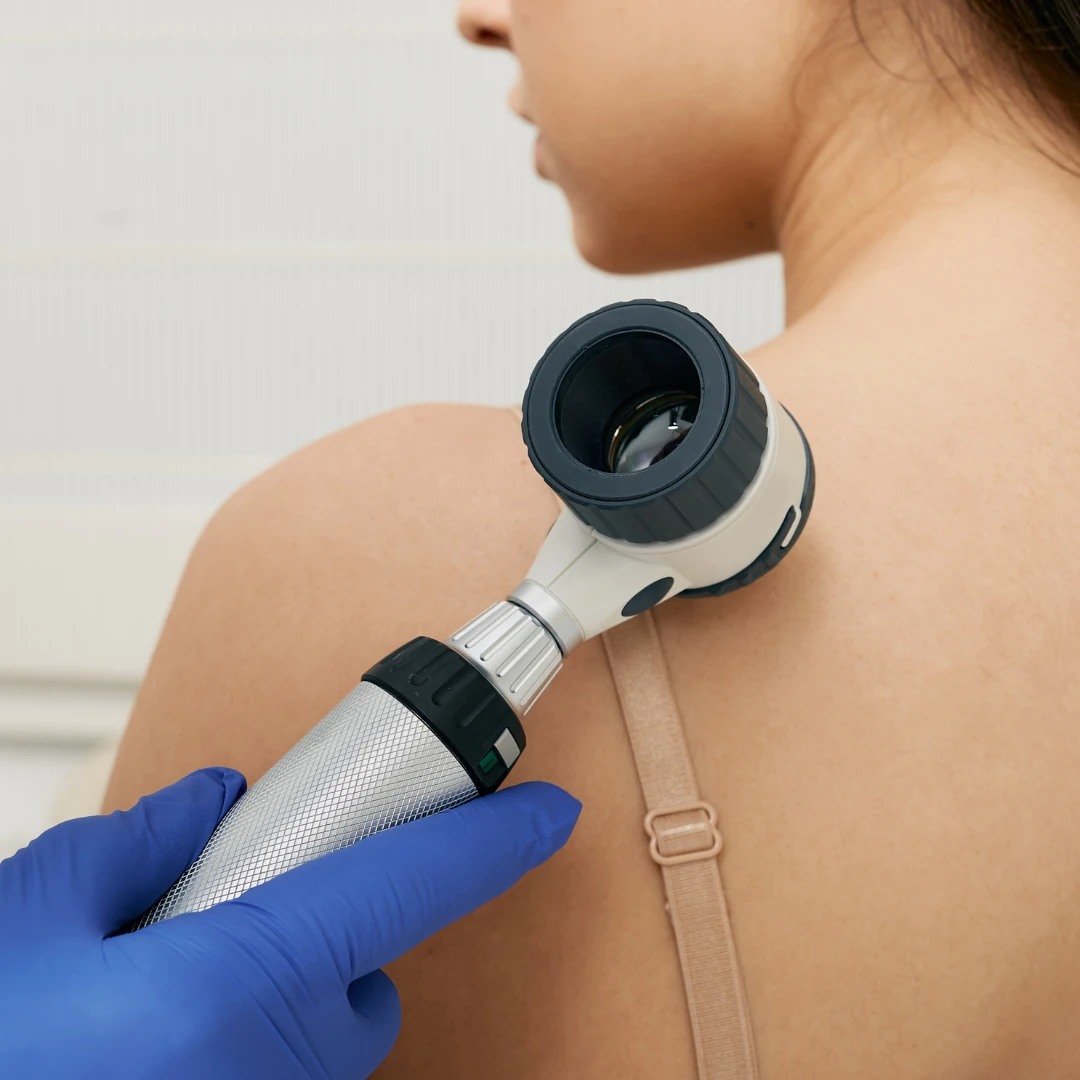
Your consultation begins with the spots or changes you have noticed, your medical history and relevant risk factors. Examination may include a dermatoscope and, where indicated, further investigation.
A skin examination cannot rule out every skin cancer. Dr. Chaudry will explain if a biopsy, monitoring or referral is appropriate.
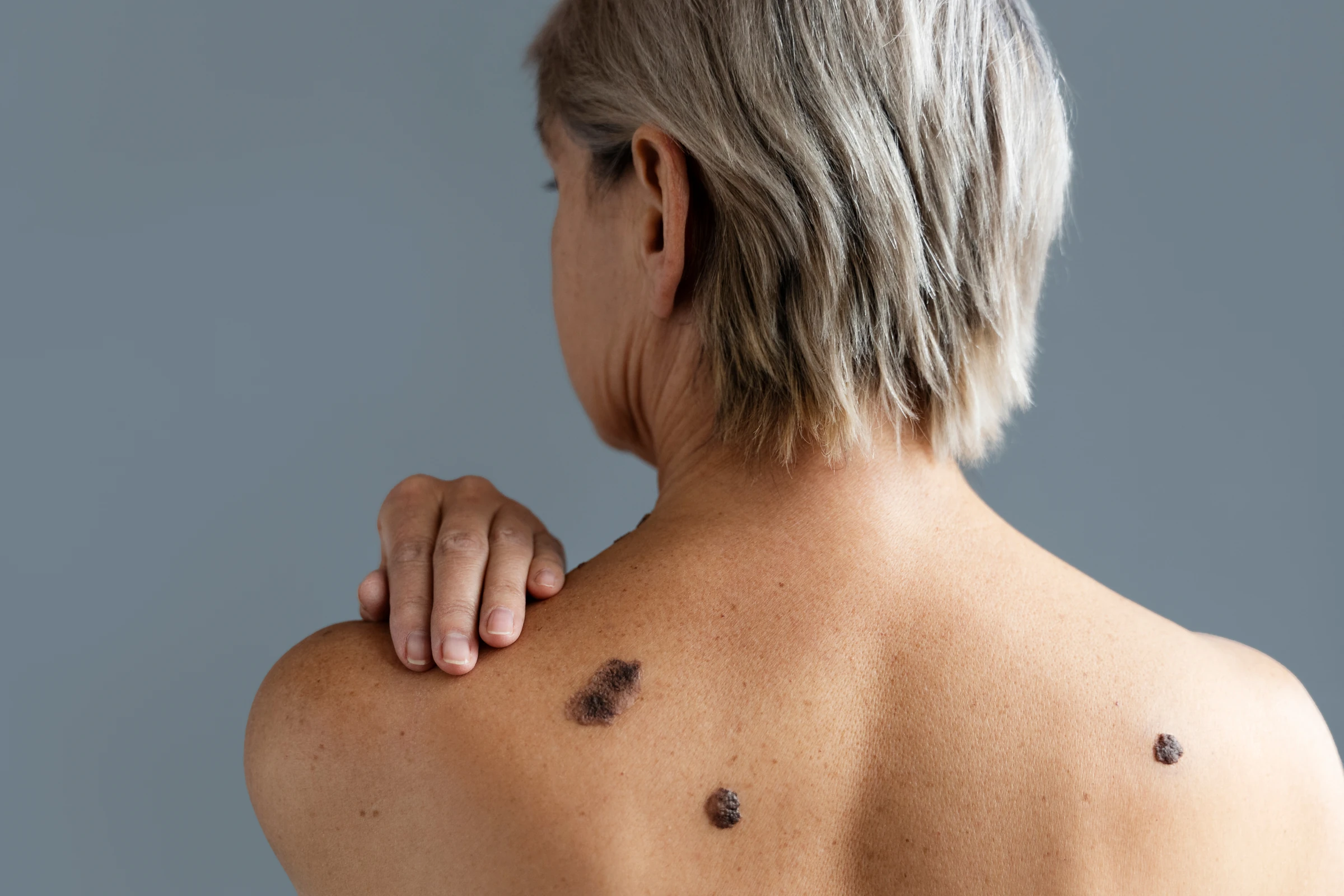
When to Arrange an Assessment
Arrange an assessment if you notice a new or changing spot, a sore that does not heal, or another skin change that concerns you.
The need for future skin checks depends on your findings and individual risk factors. Your doctor can recommend a follow-up schedule where one is needed.
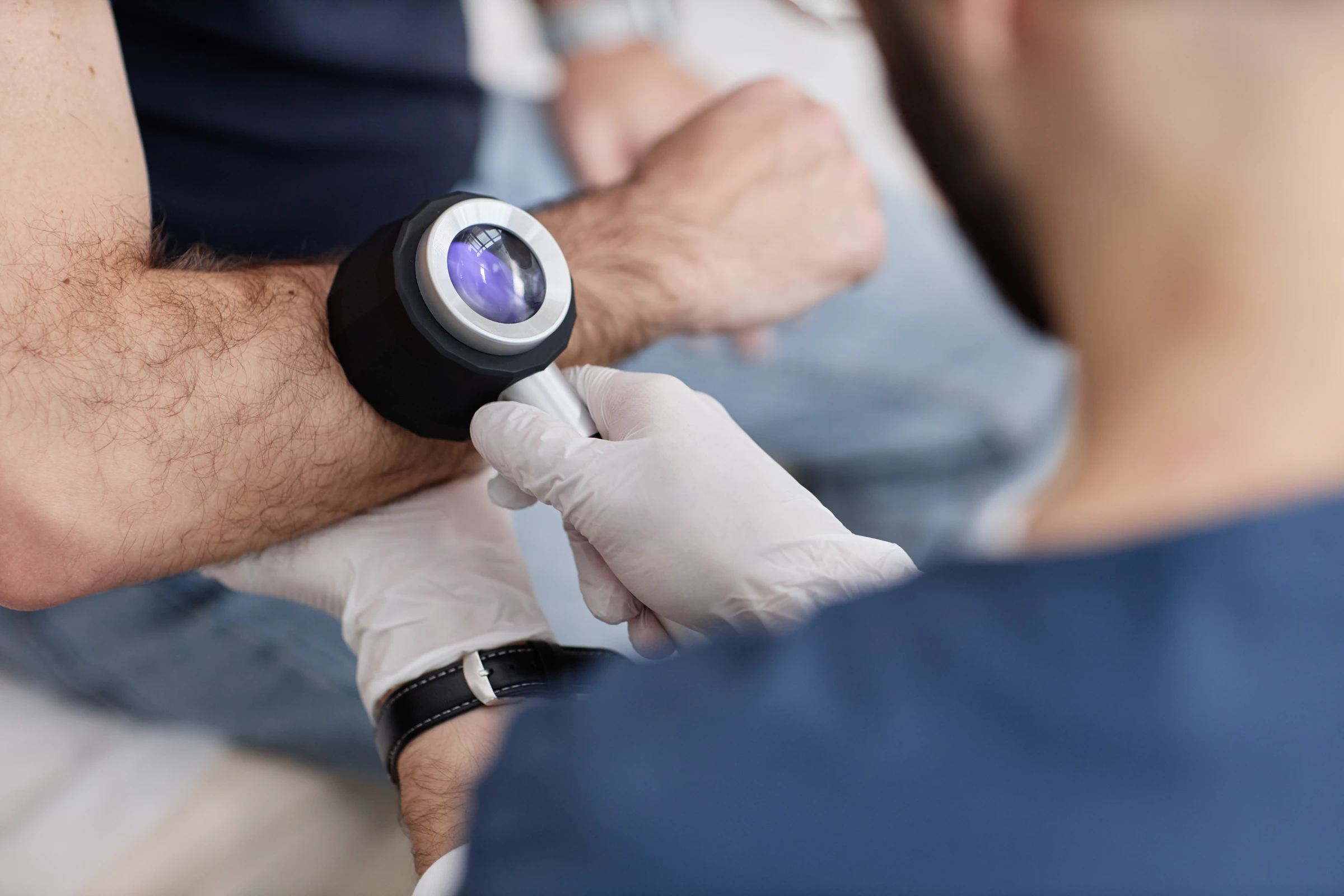
Other Skin Concerns
The clinic also assesses concerns including ingrown toenails, cysts, lipomas, skin tags, warts and ganglion cysts.
Treatment is not always required. After assessment, Dr. Chaudry can discuss observation, a procedure or referral and the risks and costs of each option.

Clear Next Steps
Before you leave, the clinic will explain any recommended investigation, treatment or follow-up and how results will be provided.
Do Not Ignore a Change
If you notice a new or changing spot, or a sore that does not heal, arrange a medical assessment.
Making a treatment decision
A consultation helps assess whether treatment is needed. Discuss the potential benefits, alternatives, costs and recovery before deciding to proceed. Observation may be an option for some benign skin concerns.
Skin procedures can cause pain, bleeding, infection and scarring. Healing problems, recurrence or further treatment are also possible. Risks and recovery vary with the procedure and your health; outcomes cannot be guaranteed. Ask your doctor about the risks relevant to you.
Read more about skin lesion removal and its risks from Healthdirect. This website provides general information and does not replace an individual medical assessment.
Frequently asked questions
Want to know more?
Find common questions about appointments, treatment and aftercare.
Read FAQsHow should I prepare for an appointment about a suspicious mole or lesion?
Bring a current medicine list and any relevant referrals, pathology reports or previous skin photographs. Note when you first noticed the spot and any changes, symptoms or bleeding. Your doctor will explain whether a focused examination, broader skin check or further test is appropriate.
What happens during a skin examination?
Your doctor asks about the spots you have noticed, your medical history and relevant risk factors. The examination may include a dermatoscope, which provides a magnified view of the skin. If a spot needs further investigation, your doctor will discuss biopsy, monitoring or referral.
What can I expect if a biopsy is recommended?
A biopsy removes a small sample of skin for laboratory examination. Local anaesthetic is commonly used, although the injection and the wound can still cause discomfort. Your doctor will explain the proposed biopsy, possible risks, wound care and alternatives before you decide whether to proceed.
When will I receive biopsy results?
Timing depends on the laboratory and the type of sample. The clinic will explain how results will be provided and whether a follow-up appointment is needed. Contact reception if the expected timeframe has passed or your symptoms change while you are waiting.
Are same-day appointments available?
Availability changes from day to day. Call reception on (08) 8224 7500 to ask about the next suitable appointment. Call 000 for a medical emergency.