
Skin Cancer Assessment and Care

Personalised Treatment
Treatment decisions depend on the diagnosis, your health and your preferences.
Surgical Assessment
Discuss whether surgical removal is appropriate, including its risks and alternatives.
Treatment Options
Some treatments require referral to a dermatologist, surgeon or oncology team.
Assessment and Follow-Up
New or changing spots should be assessed. Follow-up depends on your clinical findings.
What Is Melanoma Skin Cancer?
Melanoma is the most serious and potentially life-threatening type of skin cancer. It originates in melanocytes, the cells that produce melanin, a pigment that gives colour to our skin, eyes and hair.
Melanoma can spread to other parts of the body. Treatment depends on its stage and other clinical findings.
Changes in asymmetry, border, colour, diameter or evolution can be warning signs. Appearance alone cannot confirm melanoma, so a new or changing spot should be assessed by a doctor.

Symptoms of Melanoma
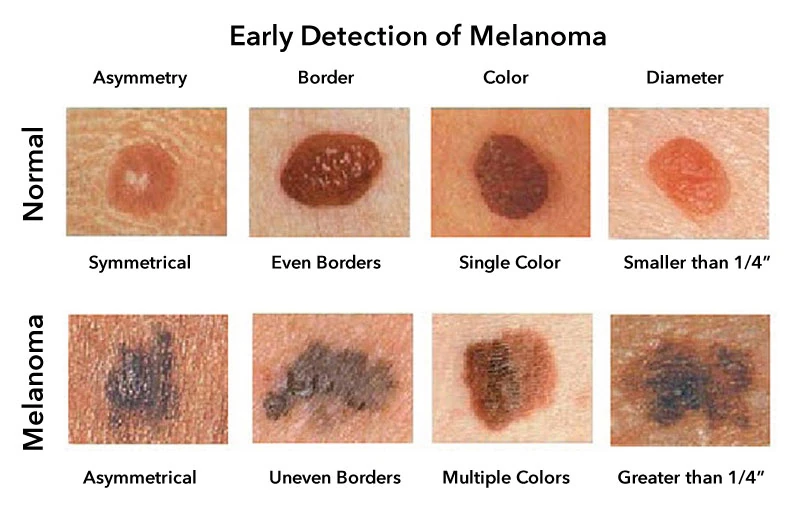
Look for asymmetry, irregular or scalloped borders, uneven colour, changes in size, shape, colour or elevation. A melanoma can also be smaller than 6 mm.
New dark spots, pain, tenderness, itching, scaling, oozing or bleeding can also be warning signs.
Early Diagnosis for Melanoma Treatment
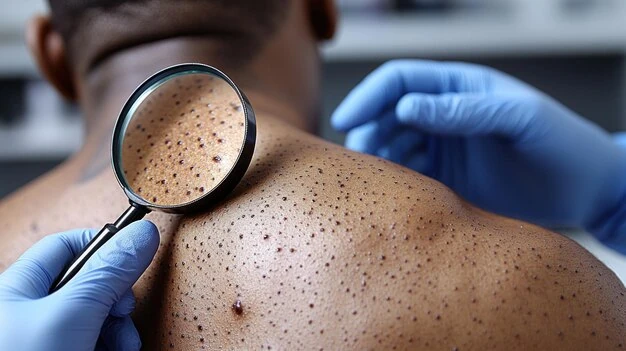
Melanoma may appear as a new spot or a change to an existing mole. Discuss any changes and your personal risk factors with a doctor.
Assessment may be followed by a biopsy, further investigation or referral.
Skin Cancer Treatment Options
These descriptions are general information. Not every option is appropriate for every person or available at this clinic. Some care requires referral; discuss suitability and availability with your doctor.
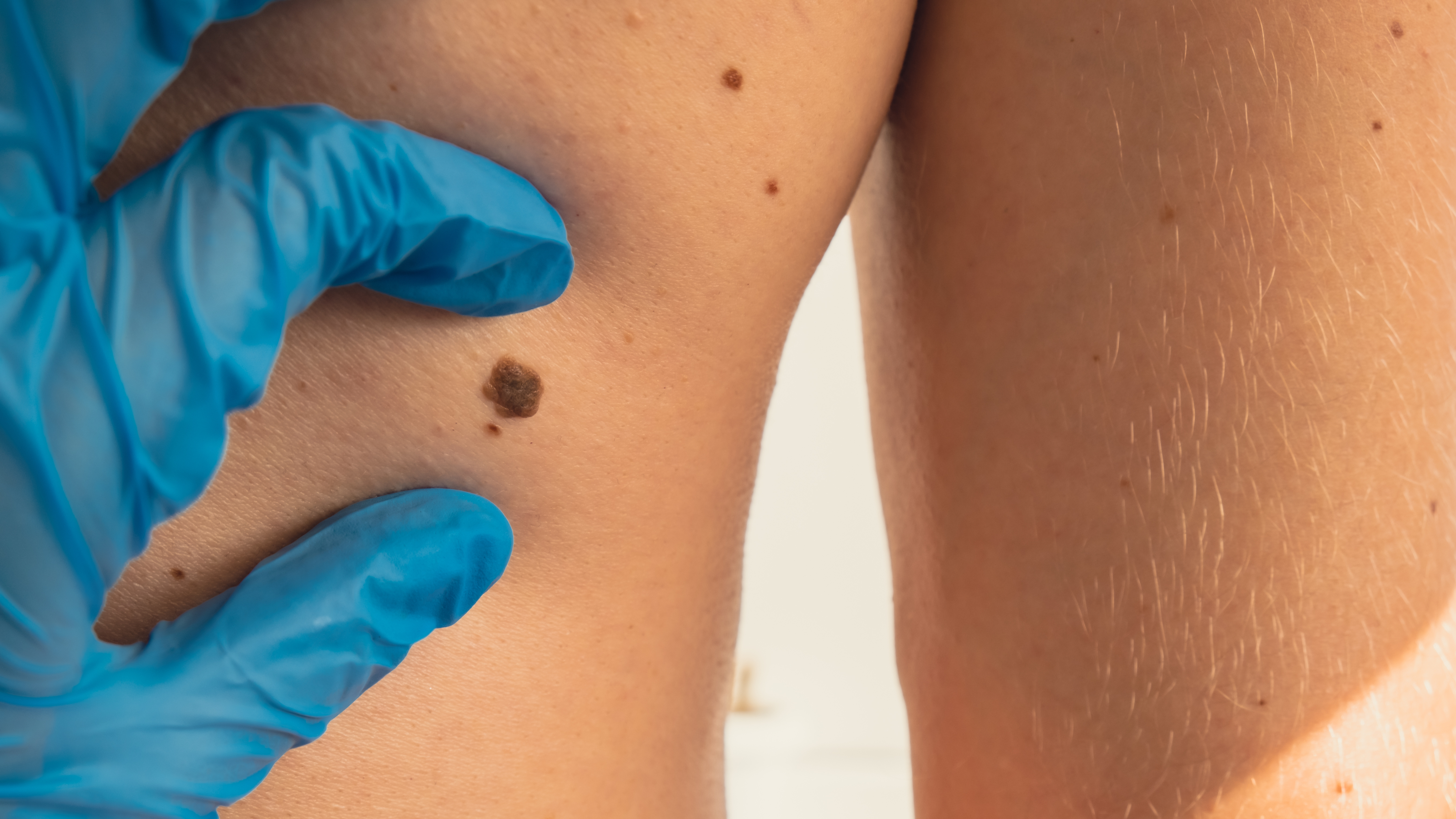
Surgery
Surgical excision is commonly used for an early melanoma. The procedure removes the melanoma and a margin of surrounding skin. The required margin and any further treatment depend on the pathology result and clinical assessment.
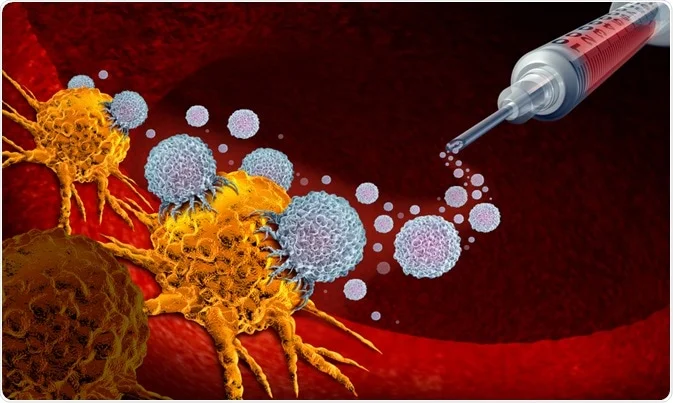
Immunotherapy
Immunotherapy is a drug treatment used for some melanomas. Suitability and treatment are assessed by a specialist oncology team; this information does not mean the treatment is provided at this clinic.
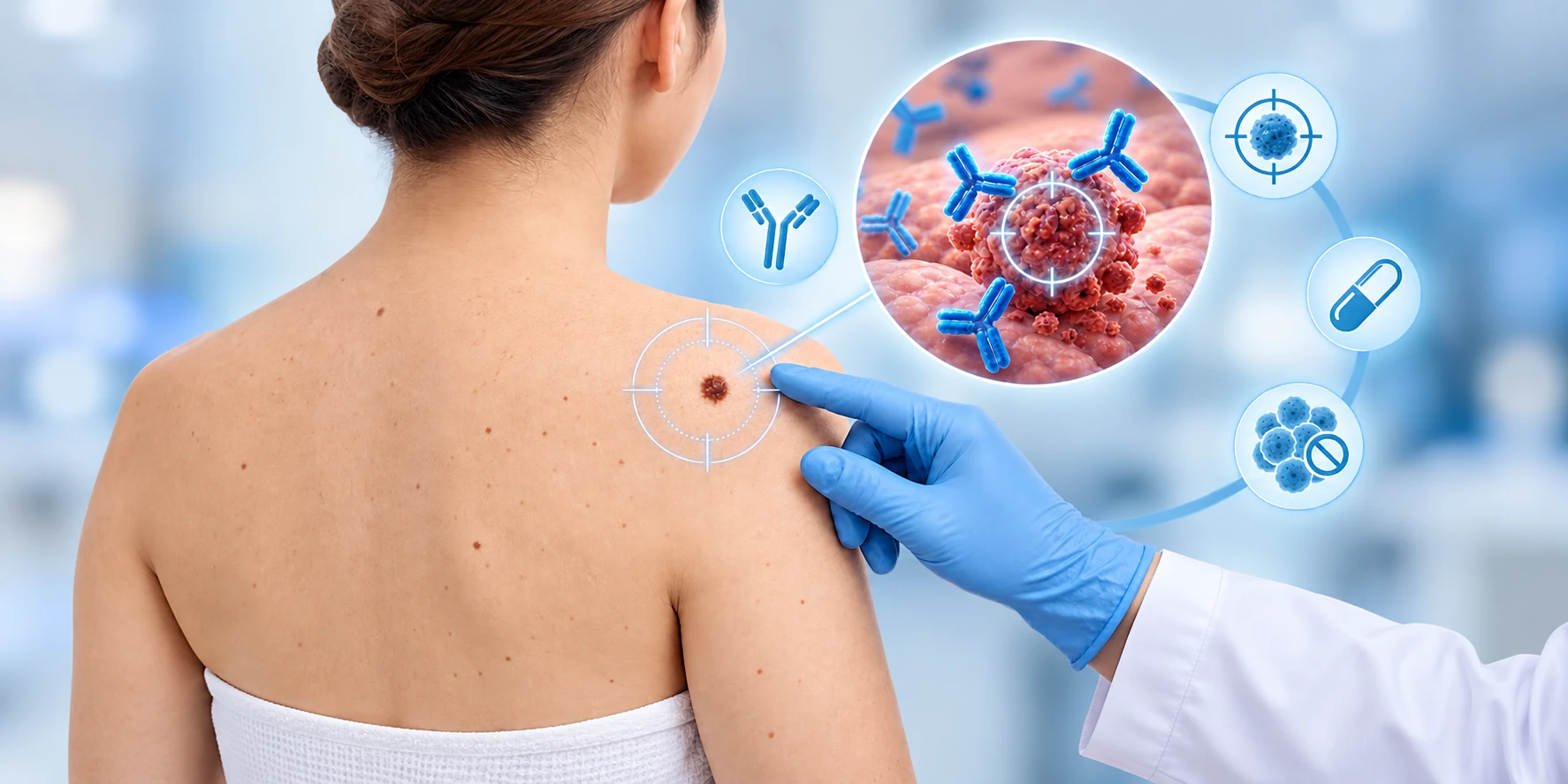
Targeted Therapy
Targeted therapy acts on particular features of cancer cells and is suitable for some melanomas. A specialist oncology team assesses whether it is an option.
What to Expect During Melanoma Skin Cancer Treatment
The steps depend on the examination, pathology results and whether specialist care is needed.
Consultation
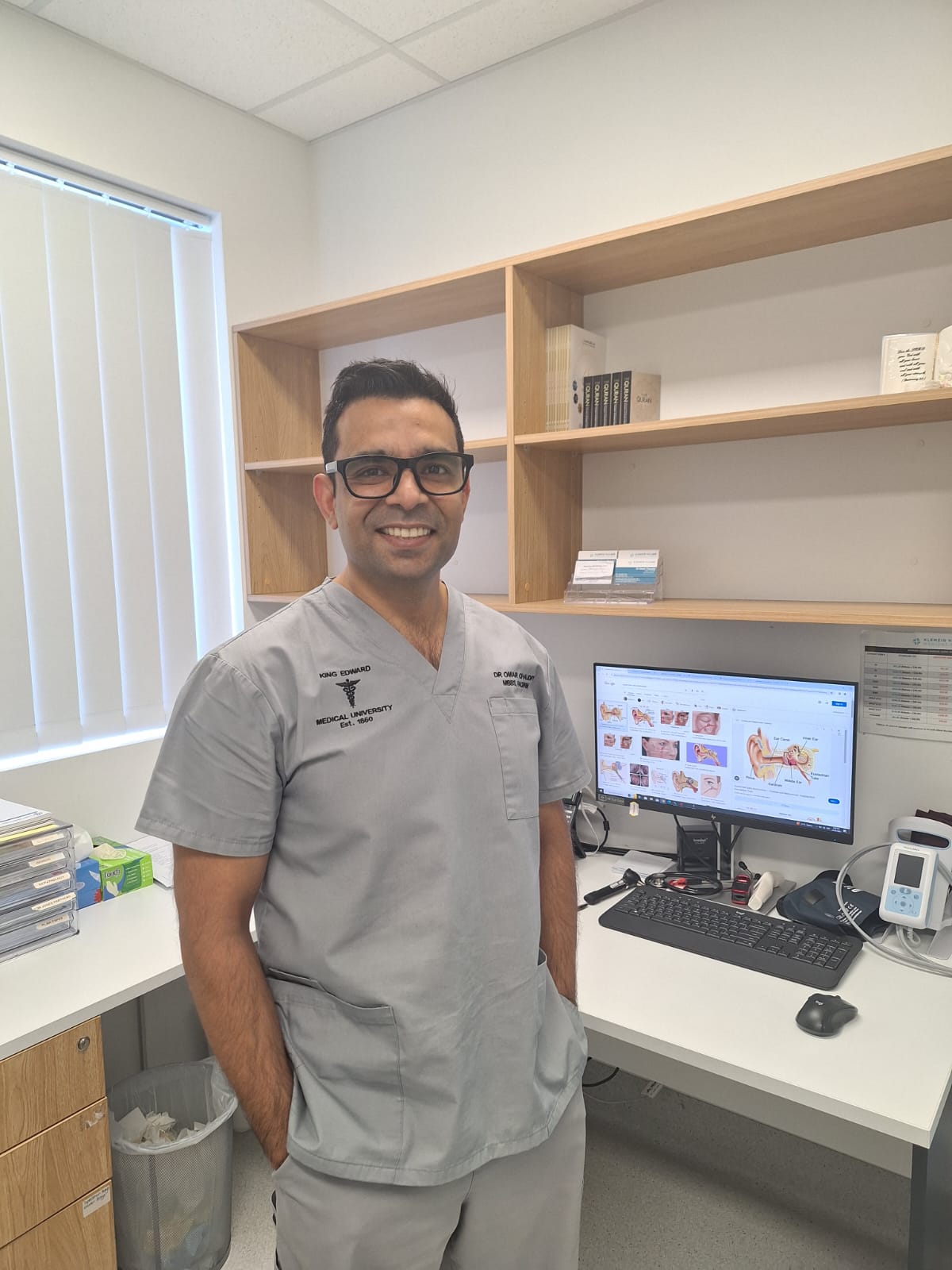
Dr. Chaudry reviews your medical history and discusses current symptoms or changes in your skin.
Skin Assessment
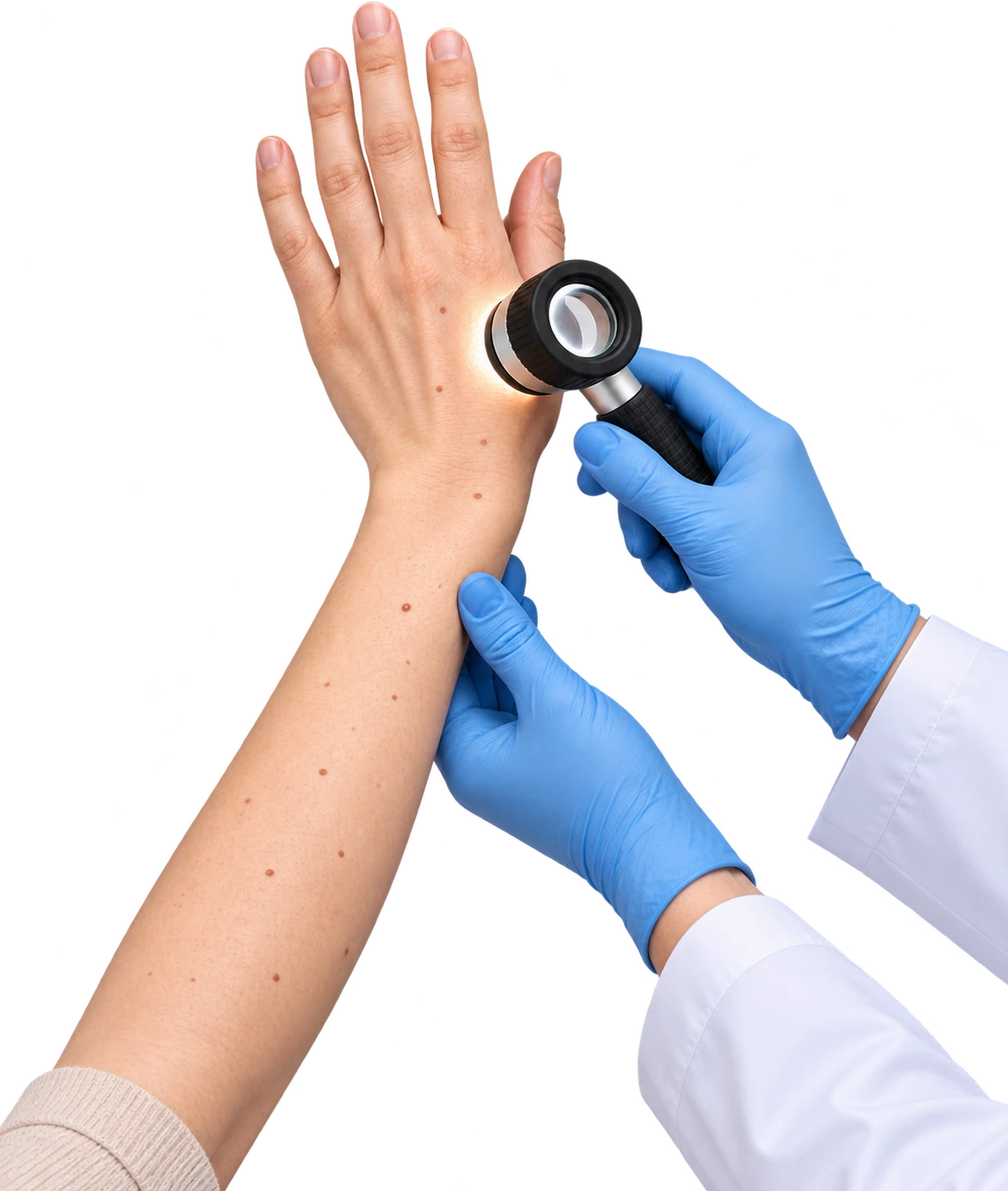
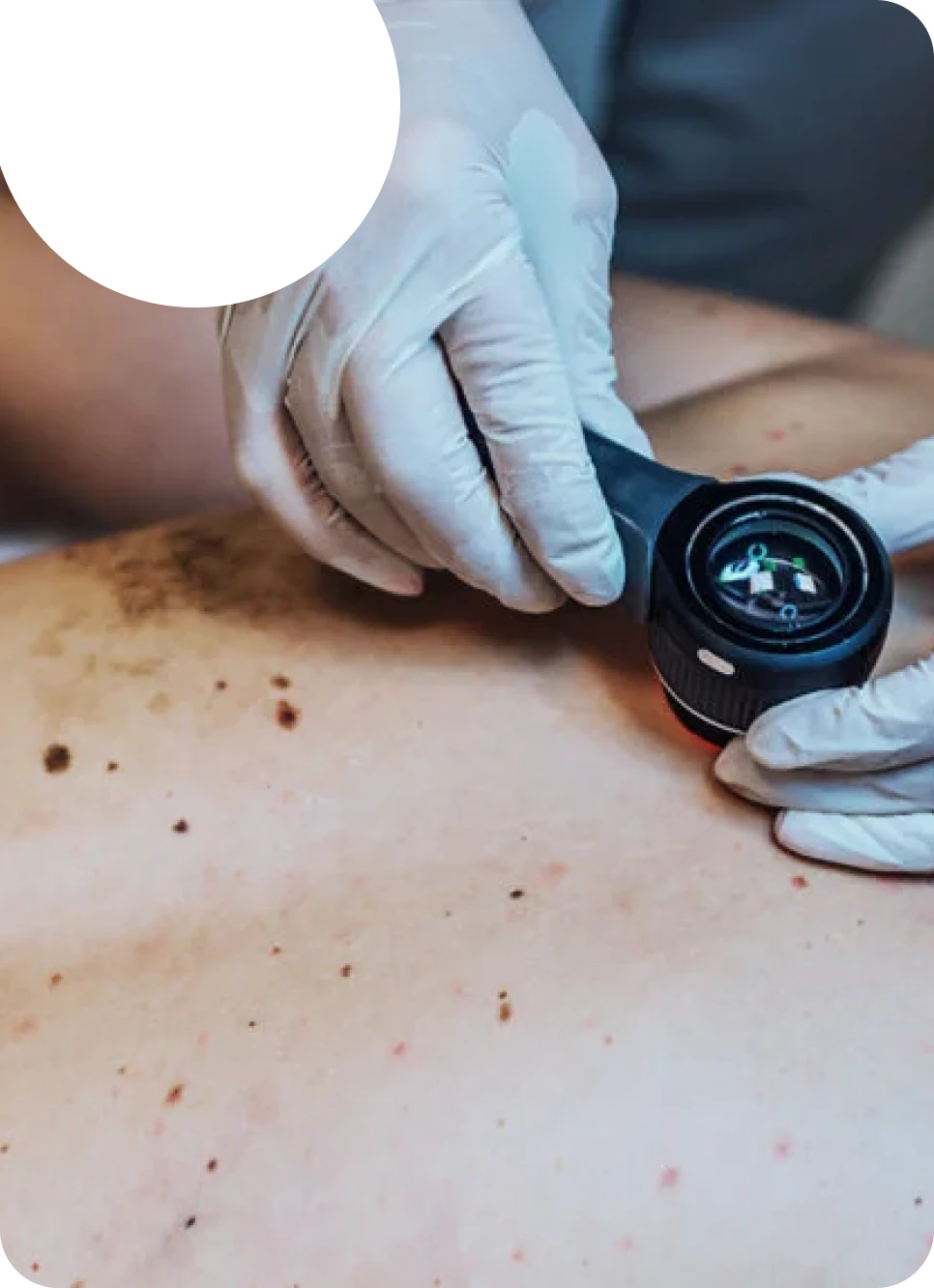
A detailed examination uses a dermatoscope to provide a magnified view of moles, growths or lesions.
Biopsy Procedure
If melanoma is suspected, a small skin sample may be removed under local anaesthetic and sent for analysis.
Personalised Treatment Plan
If a diagnosis is confirmed, the plan is matched to your needs and may include surgical removal or coordinated specialist care.
Post-Procedure Care
You receive instructions for caring for the biopsy or surgical site, with support available during recovery.


Making a treatment decision
A consultation helps assess whether treatment is needed. Discuss the potential benefits, alternatives, costs and recovery before deciding to proceed. Observation may be an option for some benign skin concerns.
Skin procedures can cause pain, bleeding, infection and scarring. Healing problems, recurrence or further treatment are also possible. Risks and recovery vary with the procedure and your health; outcomes cannot be guaranteed. Ask your doctor about the risks relevant to you.
Read more about skin lesion removal and its risks from Healthdirect. This website provides general information and does not replace an individual medical assessment.
Frequently asked questions
Want to know more?
Find common questions about appointments, treatment and aftercare.
Read FAQsWhat treatment may be considered for melanoma?
Treatment depends on the pathology result, stage, location and your health. Surgical excision is commonly used for an early melanoma. Some people need referral to a surgeon, dermatologist or oncology team for further assessment or treatment.
What affects recovery after melanoma surgery?
Recovery varies with the size and location of the excision, the way the wound is closed and your general health. Your treating team will explain wound care, activity limits, review appointments and when to seek medical advice.
Will I need follow-up after melanoma treatment?
Follow-up depends on the diagnosis, pathology and treatment. It may include wound review, further surgery, ongoing skin checks or specialist care. Your doctor will explain the recommended plan for your circumstances.
How much does melanoma assessment or treatment cost?
Fees depend on the consultation, tests and procedure required. Ask reception about current consultation fees. If a procedure is recommended, confirm the expected clinic, pathology and specialist costs before booking it.
Where can I seek support after a skin cancer diagnosis?
Tell your doctor if the diagnosis or treatment is affecting your wellbeing. They can discuss suitable support and referral options. Cancer Council also provides information and support on 13 11 20.