
Non-Melanoma Care

Skin Assessment
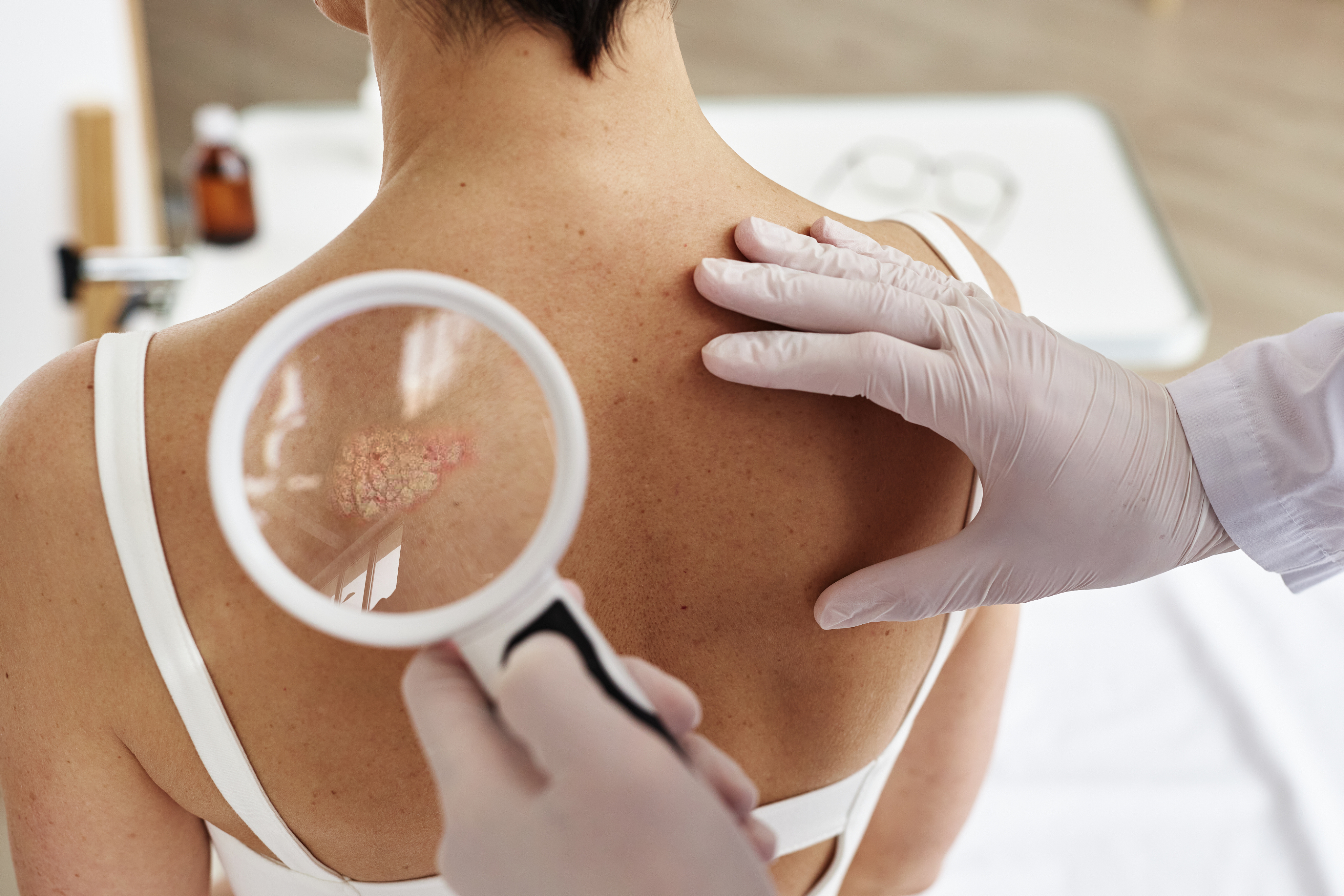
Dr. Chaudry assesses suspicious spots; a biopsy may be needed to establish a diagnosis.
Individual Treatment Plan
The diagnosis, location, size and your health guide the treatment discussion.
Procedure Options
Your doctor will explain which options may be appropriate and which require referral.
Post-Treatment Support
Follow-up can monitor healing and check for recurrence or new skin concerns.
Understanding BCC and SCC
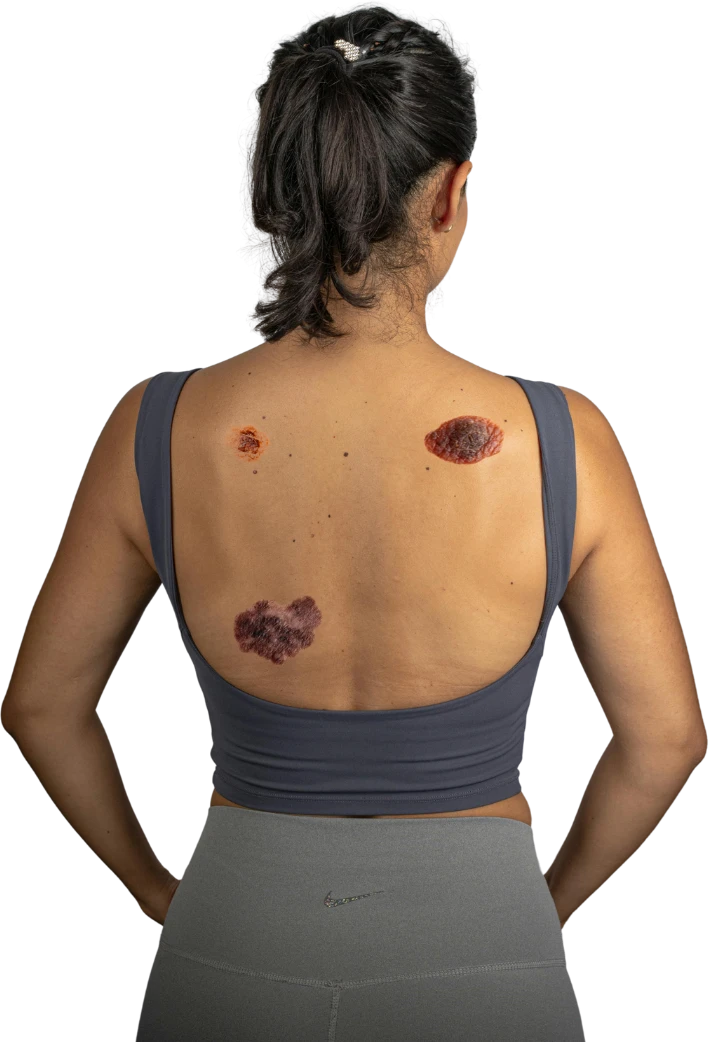
Basal cell carcinoma (BCC) and squamous cell carcinoma (SCC) are common types of skin cancer. They can look different from person to person, so diagnosis may require a biopsy.
These cancers can damage nearby tissue and some SCCs can spread. A new, changing, bleeding or non-healing spot should be assessed by a doctor.
Treatment depends on the cancer type, size, depth and location, previous treatment and your general health.
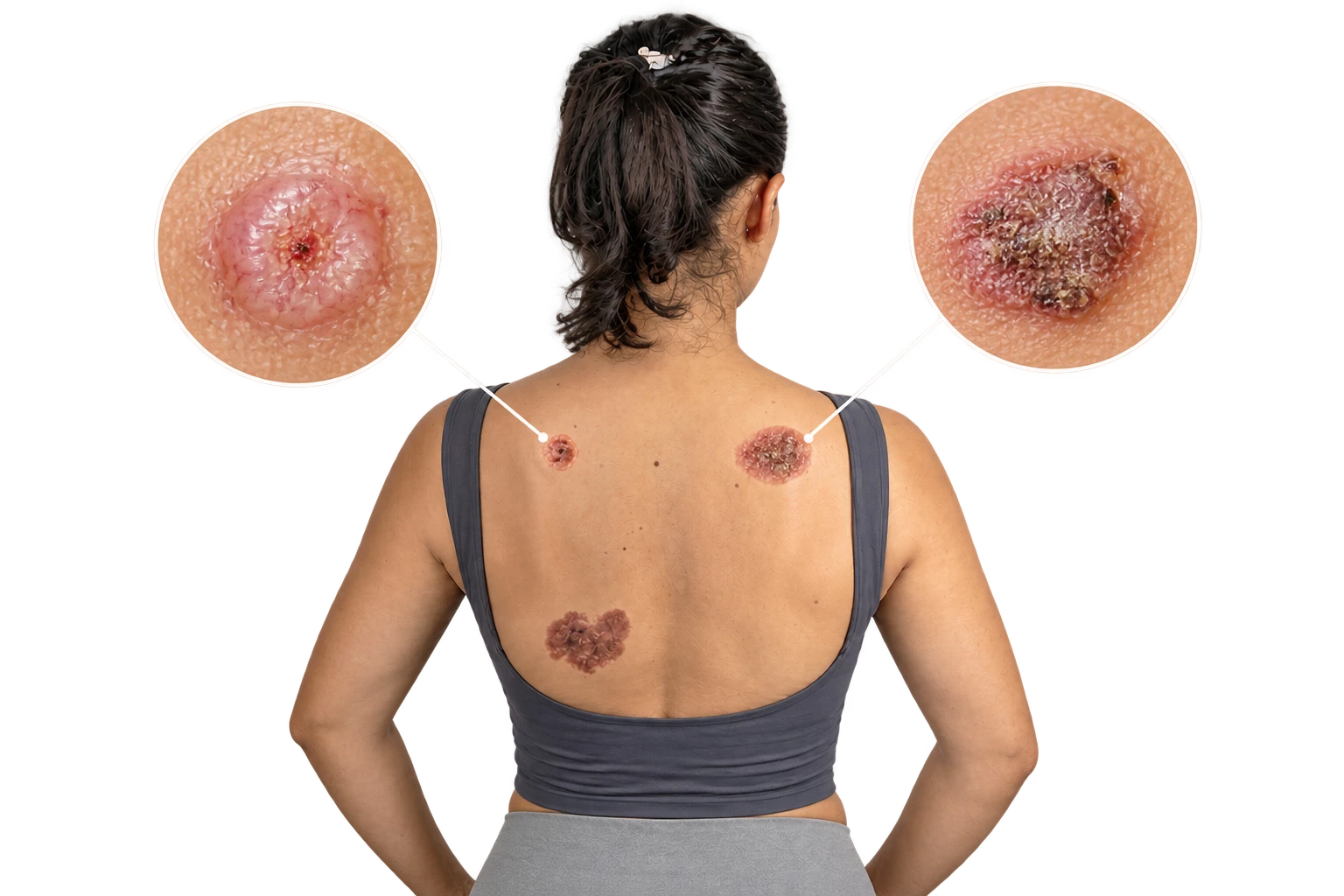

BCC and SCC Treatment Options
These descriptions are general information. Not every option is appropriate for every person or available at this clinic. Some care requires referral; discuss suitability and availability with your doctor.

Excisional Surgery
Excision removes the cancer and a margin of surrounding skin. The margin and wound closure depend on the diagnosis, site and size of the lesion.
Mohs Surgery
Mohs surgery removes and examines tissue in stages. It is a specialist procedure for selected skin cancers and requires assessment by an appropriately trained specialist.

Cryotherapy
Cryotherapy can treat selected superficial cancers in their early stages by using liquid nitrogen to freeze affected tissue.

Topical Treatments
Prescription creams or gels may be used for some superficial cancers or alongside other treatment methods.

Radiation Therapy
Radiotherapy may be considered for selected skin cancers. It requires assessment and treatment through a radiation oncology service.

Photodynamic Therapy (PDT)
PDT combines a photosensitising medicine with light and may be considered for selected superficial skin cancers. Suitability and access to an appropriate service require clinical assessment.
What to Expect at Our Clinic
Assessment comes first. The diagnosis and your circumstances determine which treatment or referral may be appropriate.
Consultation
We review your medical history and assess your skin for suspicious lesions.
Diagnosis
If BCC or SCC is suspected, a biopsy may be performed to confirm the diagnosis.
Treatment
After diagnosis, your doctor explains the available options, their risks and alternatives, and whether specialist referral is needed.
Post-Care
Aftercare instructions explain wound care and when to seek further medical advice.
Follow-Ups
Your doctor recommends follow-up based on the diagnosis, treatment and risk of further skin cancers.
Making a treatment decision
A consultation helps assess whether treatment is needed. Discuss the potential benefits, alternatives, costs and recovery before deciding to proceed. Observation may be an option for some benign skin concerns.
Skin procedures can cause pain, bleeding, infection and scarring. Healing problems, recurrence or further treatment are also possible. Risks and recovery vary with the procedure and your health; outcomes cannot be guaranteed. Ask your doctor about the risks relevant to you.
Read more about skin lesion removal and its risks from Healthdirect. This website provides general information and does not replace an individual medical assessment.
Frequently asked questions
Want to know more?
Find common questions about appointments, treatment and aftercare.
Read FAQsWill treatment for BCC or SCC be painful?
Discomfort varies with the treatment and the person. Local anaesthetic is often used for procedures, but the injection and recovery can still be uncomfortable. Your doctor will explain pain relief, risks and expected recovery for the option being considered.
How long is recovery after treatment for BCC or SCC?
Recovery depends on the treatment, wound size and location, and your health. Before a procedure, ask about wound care, time away from work or exercise, follow-up and the signs that require medical review.
Will treatment leave a scar?
Any procedure that cuts, freezes or otherwise treats skin can change its colour or texture and may leave a scar. The likely appearance depends on the treatment, site, wound size and healing. Your doctor will discuss this before treatment.
Can BCC or SCC return after treatment?
A treated cancer can recur, and having one skin cancer can be associated with a higher risk of another. Ask your doctor what follow-up and self-checking are appropriate for you, and arrange an assessment if you notice a new or changing spot.
How much does BCC or SCC treatment cost?
The cost depends on the consultation, pathology and procedure required. Ask reception about current fees and Medicare rebates. If treatment is recommended, confirm the expected out-of-pocket costs before booking.